Subscribe For Weekly New Recipes!

James Martin Basque Cheesecake
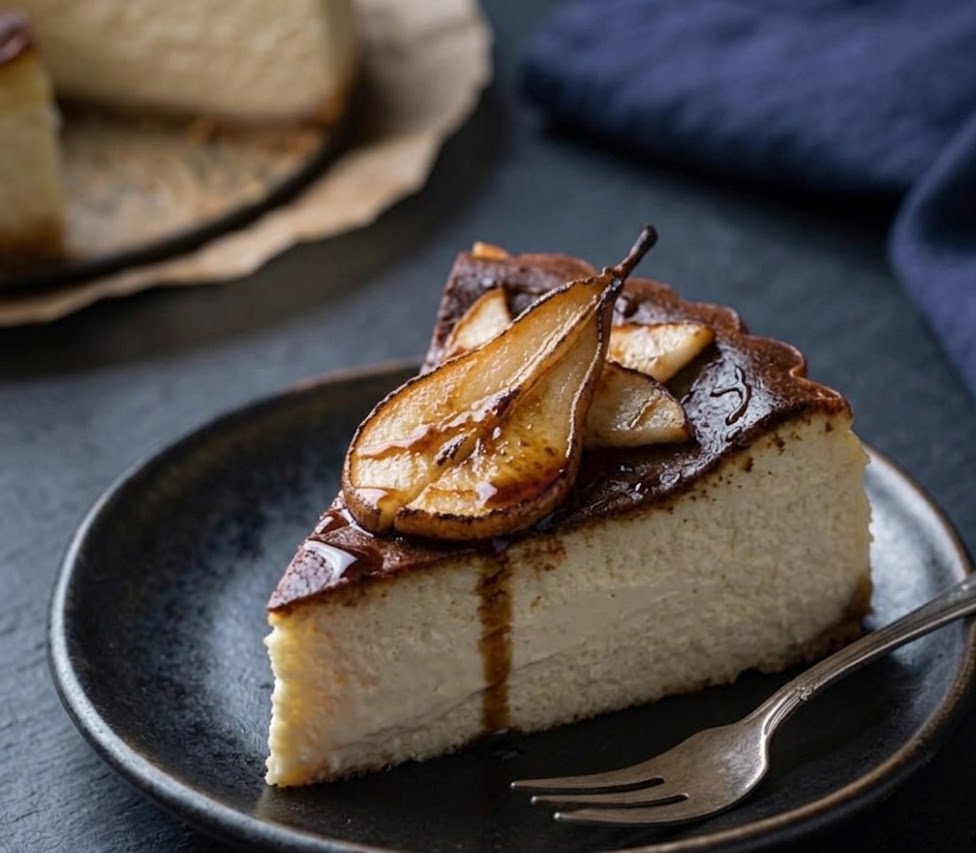
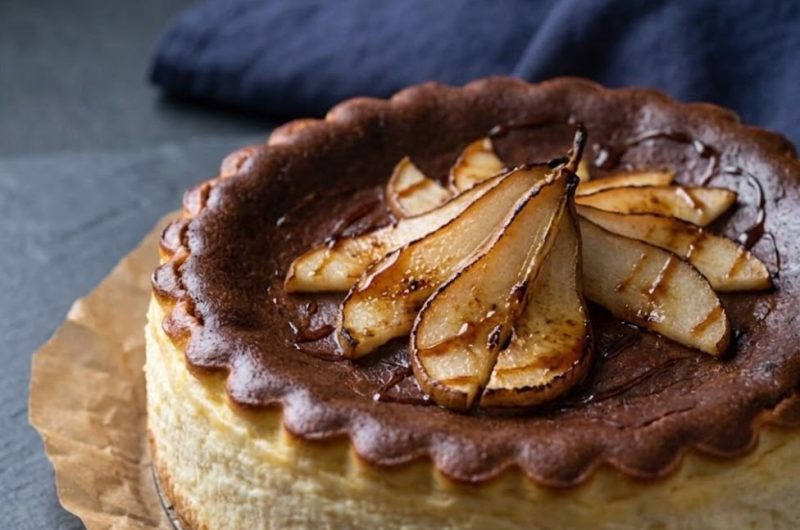
If you love a cheesecake that’s boldly caramelised on top and impossibly creamy in the middle, this James Martin Basque cheesecake is the one to bake. It’s the “burnt” cheesecake style where the deep colour is the point, and the centre stays soft and custardy. It’s genuinely beginner-friendly because there’s no water bath and no fussy crust, just a simple batter and a hot oven. Total time is about 55 minutes of hands-on and baking, plus at least 4 hours cooling and chilling for the best texture.
Ingredients
For the tin
- Unsalted butter, for greasing
- Baking parchment (enough to line a deep 20cm / 8-inch springform tin with plenty of overhang)
For the Basque cheesecake filling
- 700g full-fat cream cheese, at room temperature
- 200g caster sugar
- 5 large eggs, at room temperature
- 350ml double cream
- 20g plain flour (about 2 tbsp), sifted
- 1 tsp vanilla extract
- 1/2 tsp fine sea salt
- 1 tsp finely grated lemon zest (optional, but lovely)
To serve (optional)
- Fresh berries
- Berry compote or cherry jam
- Lightly whipped cream
How to Make James Martin Basque Cheesecake
- Prepare the oven: Preheat the oven to 220°C or 200°C fan. Place a shelf in the middle so the cheesecake colours evenly. Set a sturdy baking tray on the shelf to heat up (this helps the base bake consistently).
- Line the tin: Grease a deep 20cm springform tin with butter. Press in baking parchment so it comes well above the rim by a few centimetres. Basque cheesecake rises, and the overhang also makes it easy to lift out later.
- Mix the base: In a large bowl, beat the cream cheese and caster sugar until smooth and creamy. Scrape down the sides and bottom of the bowl so you don’t get hidden lumps.
- Add the eggs: Add the eggs one at a time, mixing on low speed just until each egg disappears into the batter. This keeps the texture custardy rather than airy.
- Finish the batter: Pour in the double cream, then add vanilla, salt, and lemon zest (if using). Mix briefly until combined. Sift over the flour and mix again just until smooth.
- Fill the tin: Pour the batter into the lined tin. Tap the tin gently on the counter a couple of times to pop larger air bubbles, but don’t overdo it.
- Bake: Place the tin on the preheated baking tray and bake for 30 to 40 minutes. You’re looking for a deeply browned top (almost “burnt” looking) with a centre that still has a wobble when you gently nudge the tin.
- Cool properly: Remove from the oven and leave in the tin for 1 hour. The cheesecake will sink slightly as it cools, which is exactly right.
- Chill and serve: Transfer to the fridge for at least 4 hours, or overnight for the cleanest slices. To serve, peel back the parchment, slice with a warm knife, and enjoy it slightly cool or brought to room temperature for the creamiest texture.
Tips
Why did my Basque cheesecake crack?
Small cracks are normal and honestly part of the rustic look. Bigger cracks usually come from baking a little too long or mixing on high speed and incorporating extra air. Next time, mix on low once you start adding eggs, and pull it from the oven while the centre still wobbles.
How do I avoid lumps in the batter?
Make sure the cream cheese (and eggs) are truly at room temperature. Beat the cream cheese and sugar first until silky, and scrape the bowl well. If you still see lumps, press the batter through a sieve before pouring into the tin.
How do I know it’s baked enough if the centre is still wobbly?
The edges should look set and slightly puffed, and the top should be a deep golden brown. The middle should jiggle like custard, not slosh like liquid. It will continue setting as it cools, then firm up more in the fridge.
Why is my cheesecake too firm instead of creamy?
That’s usually overbaking, or serving it straight from the fridge when it’s very cold. Bake until the centre still wobbles, then let it sit at room temperature for 20 to 30 minutes before serving for that signature creamy middle.
Serving Suggestions
- Serve as-is with a coffee or espresso for the classic pairing.
- Add fresh raspberries or strawberries to cut through the richness.
- Spoon over a quick berry compote or a little cherry jam.
- Finish with lightly whipped cream and a pinch of flaky salt.
Storage
Room temperature
Because this is a dairy-rich dessert, don’t leave it out for more than 2 hours. If you prefer it less chilled, take slices out and let them sit for 20 to 30 minutes before serving.
Refrigerator
Store the cheesecake (or slices) in an airtight container in the fridge for up to 4 days. For the best texture, keep parchment around the sides if possible to prevent it drying out.
Freezing
Freeze slices for up to 2 months. Wrap each slice in baking parchment, then cling film, and place in a freezer bag or container. Thaw overnight in the fridge, then sit at room temperature for 20 minutes before eating.
Nutrition
- Calories: 500 kcal
- Carbohydrates: 28 g
- Protein: 9 g
- Fat: 39 g
- Saturated Fat: 23 g
- Sodium: 320 mg
Nutrition values are estimates and will vary based on the brands you use and how you slice the cheesecake.
FAQs
What makes Basque cheesecake different from regular cheesecake?
Basque cheesecake is baked hot and fast to deliberately caramelise the top, and it’s meant to be creamy and slightly under-set in the centre. It’s also usually crustless and doesn’t need a water bath, which makes it much simpler to bake at home.
Can I make this Basque cheesecake without flour?
Yes. The flour helps with a slightly cleaner slice, but you can leave it out for an even softer, more custardy centre. If you do skip it, make sure you chill the cheesecake well before slicing.
What tin size is best for Basque cheesecake?
A deep 20cm (8-inch) springform tin is ideal. It gives you that signature height and a creamy middle. If you use a larger tin, the cheesecake will be thinner and will bake faster, so start checking earlier.
How do I get clean slices without ruining the centre?
Chill the cheesecake for at least 4 hours (overnight is even better). Use a large sharp knife dipped in hot water, wipe dry, then slice. Wipe the blade between cuts for neat edges.
Can I bake Basque cheesecake in advance?
Absolutely. It’s actually better made ahead because the texture improves as it chills. Bake it the day before, refrigerate overnight, and serve slightly cool or at room temperature.
James Martin Basque Cheesecake
Course: DessertCuisine: SpanishDifficulty: EasyServings
10
slicesPrep time
20
minutesCooking time
35
minutesTotal time
300
minutesCalories
500
kcal55
minutesA rich, custardy Basque-style cheesecake with a deeply caramelised top and a creamy, melt-in-the-mouth centre. No crust, no water bath, and surprisingly simple to make at home.
Ingredients
Unsalted butter, for greasing
Baking parchment (enough to line a 20cm / 8-inch springform tin with overhang)
700g full-fat cream cheese, at room temperature
200g caster sugar
5 large eggs, at room temperature
350ml double cream
20g plain flour (about 2 tbsp)
1 tsp vanilla extract
1/2 tsp fine sea salt
1 tsp finely grated lemon zest (optional)
Directions
- Preheat the oven to 220°C (200°C fan). Grease and line a 20cm springform tin with baking parchment, leaving plenty of overhang.
- Beat the cream cheese and sugar until smooth and creamy, scraping the bowl as needed.
- Add the eggs one at a time, mixing on low just until combined after each addition.
- Mix in the double cream, vanilla, salt, and lemon zest (if using).
- Sift in the flour and mix briefly until smooth. Pour into the lined tin and tap gently to release large air bubbles.
- Bake for 30 to 40 minutes until deeply browned on top and still jiggly in the centre.
- Cool in the tin for 1 hour, then chill for at least 4 hours. Serve slightly cool or at room temperature for the creamiest texture.
Notes
- Room-temperature ingredients give you the smoothest batter with the least mixing.
- Don’t aim for a clean skewer. The centre should wobble; it sets as it cools.
- For neat slices, chill well and use a warm knife (wipe between cuts).