Subscribe For Weekly New Recipes!

James Martin Genoise Sponge Cake
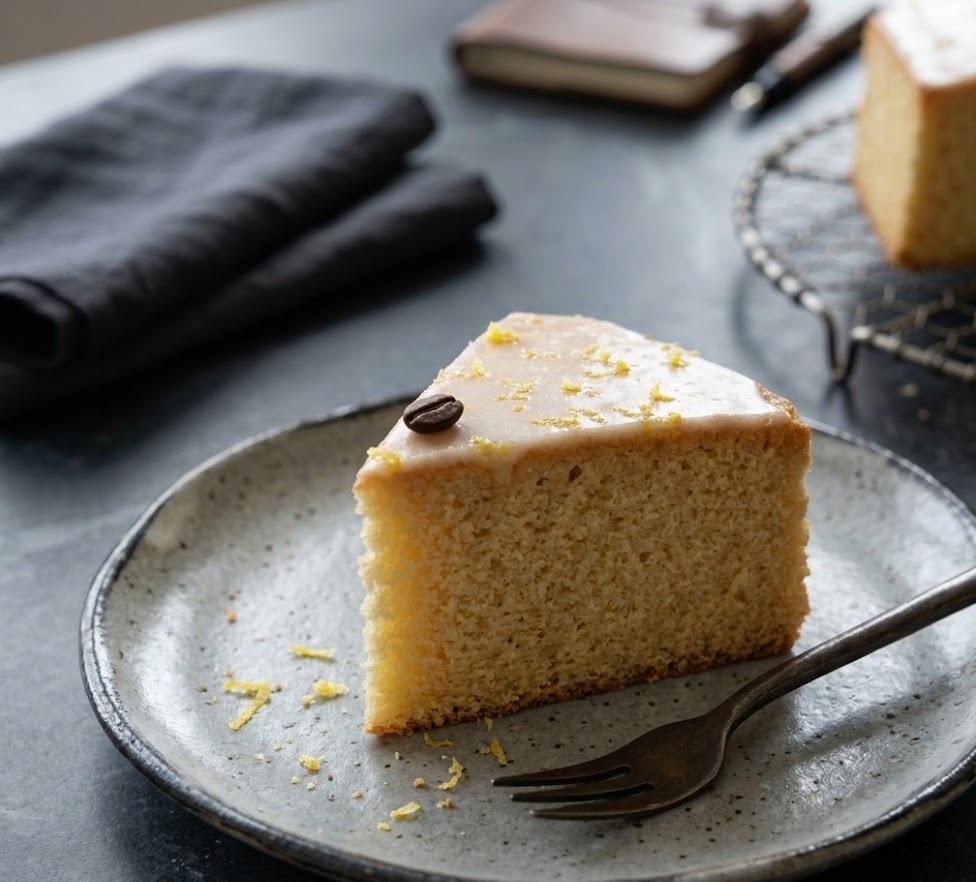
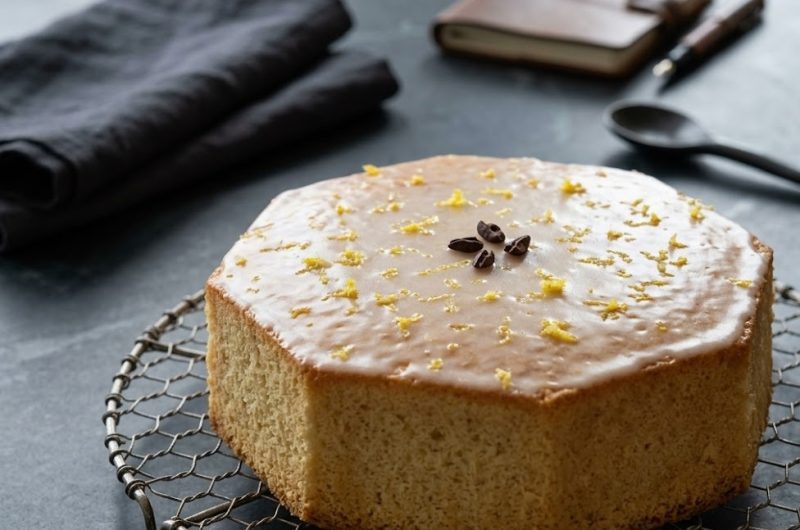
This classic genoise sponge is the kind of cake that feels quietly impressive: feather-light, finely textured, and perfectly suited to being soaked, layered, and dressed up for any occasion. The flavour is clean and buttery with a gentle vanilla warmth, making it a brilliant base for jam, cream, citrus curds, or fresh berries. It is a medium-difficulty bake because the technique matters more than the ingredients, but I will walk you through it step by step. Total time is about 1 hour 15 minutes, including cooling and filling.
Ingredients
For the genoise sponge
- 4 large eggs, at room temperature
- 125g caster sugar
- 125g plain flour
- Pinch of fine salt
- 40g unsalted butter, melted and cooled slightly
- 1 tsp vanilla extract
- Butter, for greasing
- Baking parchment, for lining (base and a tall collar)
For the filling (optional, but highly recommended)
- 4 to 5 tbsp raspberry or strawberry jam
- 250ml double cream
- 1 tbsp icing sugar
- 1 tsp vanilla extract (optional)
To finish
- Icing sugar, to dust
- Fresh berries (optional)
How to Make James Martin Genoise Sponge Cake
Oven and tin preparation
- Prepare the oven: Preheat the oven to 180°C or 160°C fan. Place a shelf in the middle of the oven so the cake bakes evenly and rises straight.
- Line the tin properly: Grease a 20cm (8-inch) round cake tin and line the base with parchment. Add a parchment collar around the sides that stands 3 to 4cm taller than the tin to support the rise.
- Melt the butter: Melt the butter and set it aside to cool slightly. It should be liquid but not hot, otherwise it can knock the air out of the batter.
Mixing and folding (the heart of a good genoise)
- Warm the eggs and sugar: Put the eggs and caster sugar into a large heatproof bowl. Set it over a pan of barely simmering water (do not let the bowl touch the water) and whisk for 3 to 5 minutes until the mixture feels warm and the sugar has dissolved.
- Whisk to ribbon stage: Take the bowl off the heat and whisk with an electric mixer for 6 to 8 minutes until very pale, thick, and fluffy. Lift the whisk and check that the mixture falls in ribbons and sits on the surface for a few seconds before disappearing.
- Fold in the flour gently: Sift the flour and salt over the bowl in 2 to 3 additions. Fold with a large metal spoon or spatula, turning the bowl as you go, until you no longer see dry flour.
- Add butter without deflating: Stir a spoonful of batter into the melted butter along with the vanilla. Pour this back into the bowl and fold just until combined. This step helps the butter blend in instead of sinking to the bottom.
Baking
- Fill the tin: Pour the batter into the prepared tin and gently level the top. Give the tin a light tap on the counter to pop any large air pockets.
- Bake: Bake for 22 to 25 minutes, until golden and springy in the centre. A skewer inserted in the middle should come out clean.
- Avoid early peeking: Keep the oven door closed for at least the first 18 to 20 minutes so the sponge does not collapse.
Cooling
- Rest in the tin: Leave the cake in the tin for 10 minutes to firm up.
- Turn out and cool fully: Turn the sponge out onto a wire rack, peel away the parchment, and let it cool completely before slicing or filling.
Assembling
- Slice the sponge: Use a long serrated knife to split the cake horizontally into two even layers.
- Whip the cream: Whip the double cream with icing sugar (and vanilla, if using) to soft peaks. Stop while it still looks smooth and billowy.
- Fill and finish: Spread jam over the bottom layer, then add the whipped cream. Top with the second layer, dust with icing sugar, and add berries if you like.
Tips
Why is my genoise sponge dense instead of light?
The most common cause is under-whisking the eggs and sugar, or folding too firmly once the flour goes in. Whisk until you clearly reach ribbon stage, then fold gently and stop as soon as everything is combined.
How do I stop the sponge from sinking in the middle?
Sinking usually comes from underbaking or opening the oven door too early. Bake until the centre springs back and a skewer comes out clean, and avoid checking it until at least 18 to 20 minutes have passed.
What is the best way to fold flour into genoise batter?
Sift the flour, add it in a few additions, and fold with a wide spatula using slow, deliberate movements. Scrape the bottom of the bowl as you turn it so pockets of flour do not hide underneath.
How do I keep the butter from sinking to the bottom?
Make sure the butter is not hot, then mix it with a spoonful of batter first. That lightens it, so it blends back in smoothly when you fold it into the main bowl.
Serving Suggestions
- Serve with extra berries and a spoonful of softly whipped cream on the side.
- Swap the jam for lemon curd and finish with blueberries.
- Brush the layers with a simple syrup (equal parts sugar and water, cooled) for a patisserie-style finish.
- Turn leftovers into a quick trifle with fruit and custard.
Storage
Room temperature
Unfilled sponge keeps well wrapped for up to 2 days at cool room temperature. If filled with cream, it is best eaten the same day.
Refrigerator
Once filled, store the cake covered in the fridge for up to 2 to 3 days. Bring slices to room temperature for 15 to 20 minutes before serving for the best texture.
Freezing
Freeze the unfilled sponge (whole or sliced into layers) wrapped tightly in cling film and then foil for up to 2 months. Defrost at room temperature, still wrapped, to prevent condensation making the surface sticky.
Nutrition
- Calories: 320 kcal
- Carbohydrates: 35 g
- Protein: 6 g
- Fat: 18 g
- Saturated fat: 10 g
- Sodium: 120 mg
Nutrition values are estimates and will vary depending on the fillings and brands used.
FAQs
What makes a genoise sponge different from a regular sponge cake?
A genoise gets its lift from well-whisked eggs rather than chemical raising agents. The texture is lighter, drier, and more elastic, which makes it ideal for layering, soaking with syrup, and building celebration cakes.
Do I need baking powder for genoise sponge cake?
No. A traditional genoise does not use baking powder. The rise comes from whipping the eggs and sugar to ribbon stage and folding the flour in gently to keep that trapped air.
Can I make genoise sponge the day before?
Yes. Bake the sponge, cool completely, then wrap well and keep at room temperature overnight. Fill with cream closer to serving so the layers stay fresh and light.
Why did my genoise deflate after baking?
A little settling is normal, but a big collapse usually means the cake was underbaked or the batter lost too much air during folding. Bake until fully set in the centre and fold just until the flour disappears.
Can I use a hand whisk instead of an electric mixer?
You can, but it is a workout and you need to whisk long enough to reach a thick ribbon stage. If you are using a hand whisk, warming the eggs and sugar over a bain-marie helps speed things up.
James Martin Genoise Sponge Cake
Course: DessertCuisine: EuropeanDifficulty: MediumServings
10
slicesPrep time
20
minutesCooking time
25
minutesTotal time
75
minutesCalories
320
kcal45
minutesA light, airy genoise sponge made with whipped eggs, folded flour, and a little butter, then finished with raspberry jam and softly whipped cream.
Ingredients
4 large eggs, at room temperature
125g caster sugar
125g plain flour
Pinch of fine salt
40g unsalted butter, melted and cooled slightly
1 tsp vanilla extract
Butter, for greasing the tin
Baking parchment, for lining
4–5 tbsp raspberry or strawberry jam
250ml double cream
1 tbsp icing sugar
Icing sugar, to dust (optional)
Directions
- Preheat the oven to 180°C (160°C fan). Grease and line a 20cm (8-inch) round cake tin, including a collar around the sides.
- Melt the butter and set it aside to cool slightly. You want it fluid but not hot.
- Put the eggs and caster sugar in a large heatproof bowl. Set over a pan of barely simmering water (the bowl should not touch the water) and whisk for 3–5 minutes until the mixture feels warm and the sugar has dissolved.
- Remove from the heat and whisk with an electric mixer for 6–8 minutes until very pale, thick, and at ribbon stage (the batter should hold a trail for a few seconds).
- Sift the flour and salt over the bowl in 2–3 additions, folding gently with a large metal spoon or spatula. Keep as much air in the batter as you can.
- Mix a spoonful of batter into the melted butter along with the vanilla, then fold that buttery mixture back into the main bowl just until combined.
- Pour into the tin and bake for 22–25 minutes until golden and springy. A skewer should come out clean.
- Cool in the tin for 10 minutes, then turn out onto a wire rack. Peel off parchment and cool completely.
- Slice the sponge in half, spread jam over the bottom layer, top with softly whipped cream, then sandwich and dust with icing sugar.
Notes
- Genoise relies on whipped eggs for lift, so be gentle when folding.
- A lined collar helps the sponge climb evenly without catching on the sides of the tin.
- Cool completely before slicing to avoid compressing the crumb.