Subscribe For Weekly New Recipes!

James Martin Pan Fried Pork Chop
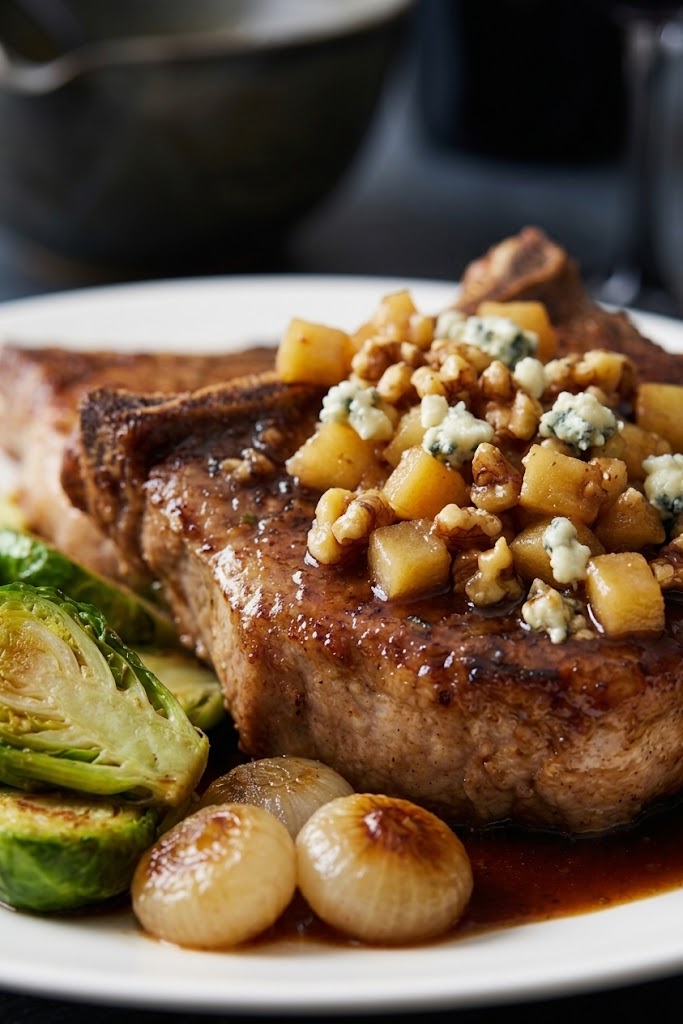
This James Martin pan fried pork chop recipe delivers a beautifully golden, juicy chop with a crisp, caramelized exterior and tender, succulent meat inside. Inspired by James Martin’s straightforward approach to cooking, this dish celebrates the natural flavour of quality pork with a simple yet flavourful pan sauce. It is an easy, beginner-friendly recipe that anyone can master with confidence. From start to plate, you will have a restaurant-quality pork chop on the table in just 25 minutes.
James Martin is known for letting good ingredients speak for themselves, and this pan fried pork chop recipe is a perfect example. A thick-cut pork chop, seasoned simply and cooked in a hot pan with butter, garlic, and fresh thyme, transforms into something truly special. The pan juices are then deglazed to create a quick, glossy sauce that ties everything together. Whether you are cooking a weeknight dinner or impressing guests, this recipe is one you will return to again and again.
The beauty of this James Martin pork chop method lies in its simplicity. There is no complicated marinating, no long list of spices, and no fussy techniques. You just need a good quality chop, a heavy pan, and a handful of classic flavour builders. The result is a perfectly cooked pork chop with a buttery, herb-infused sauce that pools around the meat and begs to be soaked up with creamy mashed potatoes or crusty bread.
Ingredients
For the Pork Chop
- 2 thick-cut bone-in pork chops (approximately 2.5cm thick, around 250g each)
- 1 tablespoon olive oil
- 30g unsalted butter
- 3 cloves garlic, lightly crushed
- 3 sprigs fresh thyme
- 1 sprig fresh rosemary
- Sea salt flakes, to taste
- Freshly ground black pepper, to taste
For the Pan Sauce
- 100ml dry white wine or dry cider
- 100ml chicken stock
- 1 teaspoon Dijon mustard
- 15g cold unsalted butter
- 1 teaspoon fresh lemon juice
Kitchen Utensils
- Heavy-based frying pan or cast iron skillet
- Kitchen tongs
- Meat thermometer (optional but recommended)
- Cutting board
- Sharp knife
- Aluminium foil
Preparation and Cooking Time
- Prep Time: 5 minutes
- Cook Time: 15 minutes
- Resting Time: 5 minutes
- Total Time: 25 minutes
- Servings: 2
How to Make James Martin Pan Fried Pork Chop
- Bring the pork to room temperature: Remove the pork chops from the refrigerator 20 to 30 minutes before cooking. This allows them to come to room temperature, which promotes even cooking throughout. Pat both chops thoroughly dry with kitchen paper. Moisture on the surface prevents proper browning, so take your time with this step.
- Season the chops generously: Season both sides of each pork chop with a good pinch of sea salt flakes and freshly ground black pepper. Press the seasoning into the meat gently so it adheres well. James Martin always emphasises that proper seasoning before cooking is what separates a good chop from a great one.
- Heat the pan: Place a heavy-based frying pan or cast iron skillet over a high heat and add the olive oil. Let the pan get properly hot for about 2 minutes. You want the oil to shimmer and just begin to smoke slightly. A hot pan is essential for achieving that gorgeous golden crust on the pork chop.
- Sear the pork chops: Carefully lay the pork chops into the hot pan, pressing them down gently with tongs to ensure full contact with the surface. Cook without moving for 4 minutes on the first side until a deep golden-brown crust forms. Resist the temptation to move or lift them during this time.
- Flip and add the butter and aromatics: Turn the chops over using tongs. Immediately reduce the heat to medium and add the butter, crushed garlic cloves, thyme sprigs, and rosemary sprig to the pan. As the butter melts and begins to foam, tilt the pan slightly and use a spoon to baste the pork chops repeatedly with the aromatic butter. Continue basting and cooking for another 4 to 5 minutes.
- Cook the fat edge: Using tongs, hold the pork chop on its fat edge against the pan for 1 to 2 minutes to render and crisp the strip of fat along the side. This step adds wonderful texture and flavour that you do not want to miss.
- Check for doneness: The pork chop is perfectly cooked when it reaches an internal temperature of 63°C (145°F) on a meat thermometer inserted into the thickest part, away from the bone. The meat should feel firm with a slight give when pressed. If you do not have a thermometer, cut a small slit near the bone to check that the juices run clear with no trace of pink.
- Rest the pork chops: Transfer the cooked pork chops to a warm plate, spoon over some of the garlic and herb butter from the pan, and cover loosely with aluminium foil. Let them rest for 5 minutes. Resting allows the juices to redistribute throughout the meat, keeping every bite juicy and tender.
- Make the pan sauce: Return the pan to a medium-high heat with the garlic and herbs still in it. Pour in the white wine or cider and let it bubble vigorously, scraping up any caramelized bits stuck to the bottom of the pan with a wooden spoon. These bits carry incredible flavour. Let the wine reduce by half, which should take about 1 to 2 minutes.
- Finish the sauce: Add the chicken stock and let it reduce for another 2 minutes until slightly thickened. Stir in the Dijon mustard, then remove the pan from the heat. Add the cold butter and swirl it through the sauce until it melts and creates a glossy, silky finish. Add the lemon juice and season with salt and pepper to taste.
- Serve immediately: Place each rested pork chop on a warmed plate. Pour any resting juices from the plate back into the sauce and stir through. Spoon the pan sauce generously over and around the chops. Serve straight away with your chosen accompaniments.
Tips for the Perfect Pan Fried Pork Chop
Why is my pork chop tough and dry?
The most common reason for a tough, dry pork chop is overcooking. Pork does not need to be cooked until it is white all the way through. A slight blush of pink in the centre is perfectly safe and keeps the meat juicy. Use a meat thermometer and pull the chops off the heat at 63°C (145°F). The residual heat will carry over during resting. Also, always choose thick-cut chops of at least 2cm, as thin chops dry out very quickly in a hot pan.
Should I use bone-in or boneless pork chops?
Bone-in pork chops are the better choice for pan frying. The bone acts as an insulator, slowing down the cooking and helping the meat stay juicier. It also adds extra flavour as the bone releases collagen during cooking. Boneless chops will work, but reduce the cooking time by about 1 to 2 minutes per side to prevent them from drying out.
How do I get a golden crust without burning the butter?
The trick is to start with olive oil on high heat for the initial sear, then add the butter only after you flip the chop and reduce the heat to medium. Butter burns quickly at high temperatures, so adding it during the second half of cooking allows you to baste the pork in that gorgeous nutty, foaming butter without any risk of bitterness. This is exactly the technique James Martin uses.
Why should I rest the pork chop before serving?
Resting is not optional. When meat cooks, the muscle fibres tighten and push moisture toward the centre. If you cut into the chop immediately, all those juices spill out onto the plate. Resting for 5 minutes allows the fibres to relax and the juices to redistribute evenly throughout the meat. The result is a noticeably juicier, more tender chop in every single bite.
Can I use a different liquid for the pan sauce?
Absolutely. Dry white wine and cider both work beautifully, but you can also use apple juice for a sweeter, family-friendly sauce, or even a splash of brandy for something richer. If you want to avoid alcohol entirely, use all chicken stock and add an extra teaspoon of apple cider vinegar to provide that acidity that balances the richness of the butter.
Serving Suggestions
- Creamy mashed potatoes with a generous knob of butter and a splash of cream
- Sautéed green beans with garlic and toasted almonds
- Roasted root vegetables such as parsnips, carrots, and sweet potatoes
- A crisp green salad with a sharp apple cider vinaigrette
- Crusty sourdough bread to mop up every last drop of the pan sauce
- Buttered new potatoes with fresh mint and chives
- Braised red cabbage with apple for a touch of sweetness and colour
- Creamy polenta or cheesy grits for a comforting base
Storage
Room Temperature
Cooked pork chops can sit at room temperature for up to 2 hours. Beyond that, they should be refrigerated to maintain food safety. If you are serving as part of a dinner party, keep them covered loosely and serve within this window for the best flavour and texture.
Refrigerator
Store leftover pork chops in an airtight container in the refrigerator for up to 3 days. Keep the pan sauce in a separate small jar or container. When ready to eat, reheat the chop gently in a pan over medium-low heat with a splash of stock to prevent it from drying out, then warm the sauce separately and spoon it over the top. Avoid microwaving on full power, as this tends to make the meat tough.
Freezing
While you can freeze cooked pork chops for up to 2 months, the texture will not be quite as good as freshly cooked. Wrap each chop individually in cling film, then place them in a freezer-safe bag. Freeze the sauce separately in a small container. Thaw overnight in the refrigerator before reheating gently in a pan. For the best results, this recipe is ideally enjoyed fresh.
Nutrition Information
The following values are approximate and based on one serving (one pork chop with pan sauce).
- Calories: 485 kcal
- Carbohydrates: 2g
- Protein: 38g
- Fat: 33g
- Saturated Fat: 16g
- Sodium: 380mg
Nutritional values are estimates only. Actual values may vary depending on specific ingredients, brands, and portion sizes used.
Frequently Asked Questions
Can I use pork loin steaks instead of chops?
Yes, pork loin steaks work well for pan frying. They are slightly leaner and thinner than bone-in chops, so reduce the cooking time to about 3 minutes per side. Keep a close eye on them and use a meat thermometer to avoid overcooking. The pan sauce method remains exactly the same.
What type of pan is best for pan frying pork chops?
A heavy-based cast iron skillet or stainless steel frying pan gives the best results. These pans retain heat evenly and create superior browning. Avoid non-stick pans for this recipe, as they do not get hot enough to achieve a proper golden sear on the pork.
Can I add cream to the pan sauce?
Absolutely. After reducing the wine and stock, stir in 2 to 3 tablespoons of double cream for a richer, more luxurious sauce. Let it simmer for an additional minute until slightly thickened, then finish with the cold butter and lemon juice as directed.
How do I know when the pork chop is cooked without a thermometer?
Press the centre of the chop with your finger. If it feels firm with just a slight give, it is cooked through. You can also make a small cut near the bone to check that the juices run clear. The meat should be white with a very faint blush of pink at the centre, which indicates it is perfectly done and still juicy.
Can I marinate the pork chops before pan frying?
You can, but it is not necessary for this recipe. If you want extra flavour, a simple marinade of olive oil, garlic, lemon zest, and herbs for 1 to 2 hours works well. Just make sure to pat the chops completely dry before cooking, as excess moisture will prevent proper browning in the pan.
Is this recipe suitable for other cuts of pork?
This pan frying method works beautifully with pork medallions, pork fillet slices, or even thick-cut pork belly slices. Adjust the cooking time based on the thickness of the cut. Thinner cuts will need less time, while thicker cuts like pork belly may need to be finished in a 180°C oven for 10 minutes after searing.
James Martin Pan Fried Pork Chop
Course: Main CourseCuisine: BritishDifficulty: EasyServings
4
servingsPrep time
30
minutesCooking time
40
minutesCalories
300
kcalTotal time
1
hour10
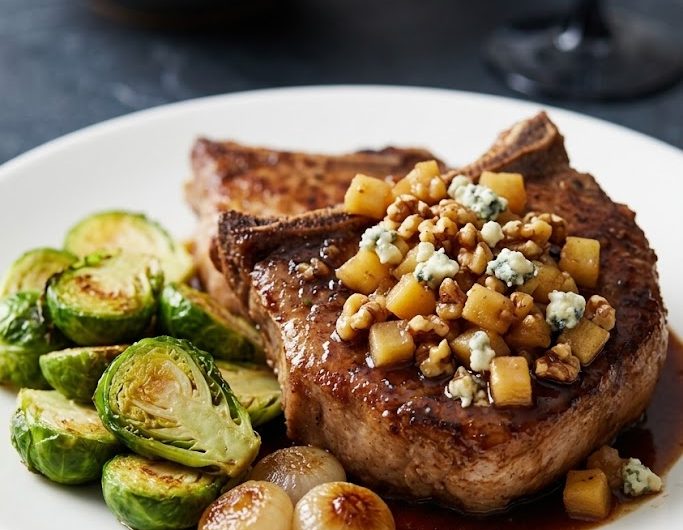
minutesGolden, juicy pan fried pork chop cooked in butter with garlic and fresh herbs, finished with a quick white wine and mustard pan sauce. A simple, restaurant-quality dinner ready in 25 minutes.
Ingredients
2 thick-cut bone-in pork chops (approximately 2.5cm thick, around 250g each)
1 tablespoon olive oil
30g unsalted butter
3 cloves garlic, lightly crushed
3 sprigs fresh thyme
1 sprig fresh rosemary
Sea salt flakes, to taste
Freshly ground black pepper, to taste
100ml dry white wine or dry cider
100ml chicken stock
1 teaspoon Dijon mustard
15g cold unsalted butter
1 teaspoon fresh lemon juice
Directions
- Remove pork chops from the refrigerator 20 to 30 minutes before cooking. Pat thoroughly dry with kitchen paper and season both sides generously with sea salt and black pepper.
- Heat olive oil in a heavy-based frying pan or cast iron skillet over high heat until the oil shimmers and just begins to smoke.
- Lay the pork chops into the hot pan and cook without moving for 4 minutes until a deep golden-brown crust forms on the first side.
- Flip the chops, reduce heat to medium, and add butter, crushed garlic, thyme, and rosemary. Baste the chops with the foaming butter continuously for 4 to 5 minutes.
- Hold each chop on its fat edge using tongs for 1 to 2 minutes to render and crisp the fat.
- Check internal temperature reaches 63°C (145°F). Transfer chops to a warm plate, spoon over herb butter, cover loosely with foil, and rest for 5 minutes.
- Return the pan to medium-high heat. Pour in white wine or cider, scraping up the caramelized bits. Let reduce by half, about 1 to 2 minutes.
- Add chicken stock and reduce for 2 minutes. Stir in Dijon mustard, remove from heat, swirl in cold butter until glossy, and finish with lemon juice. Season to taste.
- Place pork chops on warmed plates. Pour resting juices back into the sauce, stir through, and spoon generously over the chops. Serve immediately.
Notes
- Always pat pork chops completely dry before seasoning for the best golden crust.
- Do not move the chops during the initial sear to allow proper caramelization.
- A meat thermometer takes the guesswork out of perfectly cooked pork every time.
- Add 2 to 3 tablespoons of double cream to the sauce for a richer variation.