Subscribe For Weekly New Recipes!

James Martin’s perfect pork with crunchy crackling
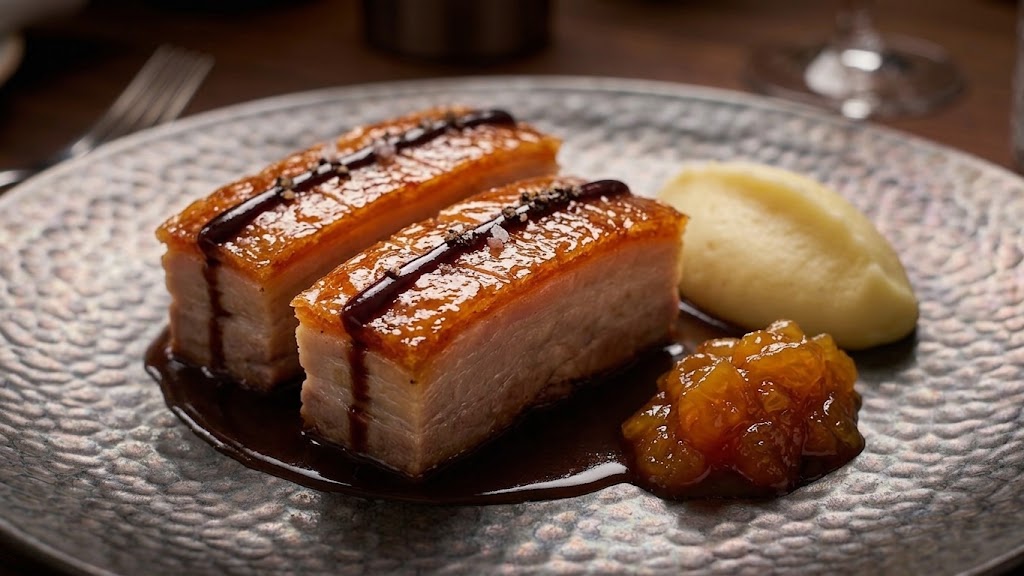
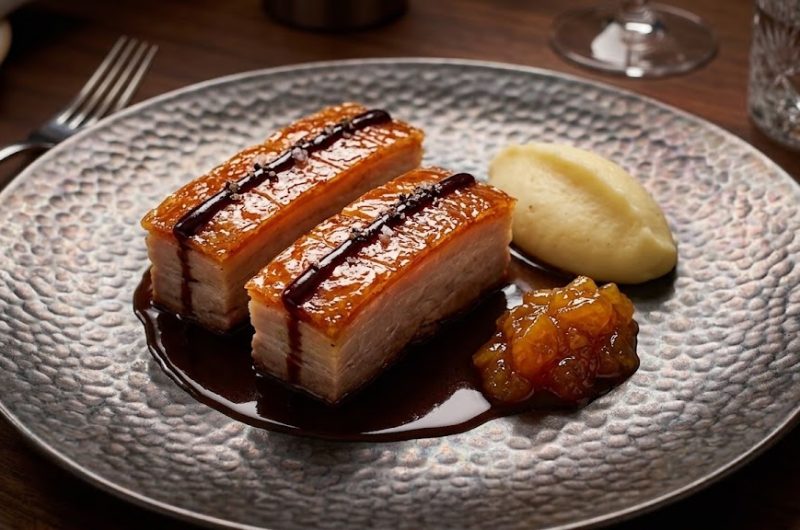
This is a classic British roast pork joint with properly crunchy crackling and juicy, tender meat underneath. The flavour is simple and confident: salty, crisp crackling, rich pork, and a savoury pan gravy that tastes like Sunday lunch should. It’s a medium-difficulty roast, mostly because crackling needs a little attention, but the steps are straightforward. Total time is about 2 hours 30 minutes, including resting.
Ingredients
For the pork
- 2kg pork shoulder or pork leg joint with skin on
- 2 tsp sea salt flakes (plus extra if needed)
- 1 tbsp vegetable oil or sunflower oil
- 1 tsp fennel seeds, lightly crushed (optional)
- Black pepper, to taste
For the roasting tray
- 2 onions, cut into wedges
- 2 carrots, cut into chunky pieces
- 2 celery sticks, cut into chunky pieces
- 2 bay leaves (optional)
- 250ml dry cider (or apple juice)
- 250ml chicken stock
For the gravy (optional)
- 1 tbsp plain flour
- 300ml stock (chicken or pork)
- 1 tsp Dijon mustard (optional)
- 1 tsp apple jelly or honey (optional)
To serve (optional)
- Apple sauce
- Wholegrain mustard
- Roast potatoes and seasonal greens
How to Make Perfect Pork with Crunchy Crackling
Oven preparation
- Prepare the oven: Preheat the oven to 240°C or 220°C fan. Put a shelf in the lower-middle of the oven so the heat can blast the skin without the top burning.
- Set up the roasting tin: Add the onions, carrots, celery, and bay leaves to a large roasting tin. This lifts the pork slightly and builds flavour for the pan juices.
Seasoning (mixing)
- Dry the skin well: Pat the pork skin with kitchen paper until it feels dry. If you have time, leave it uncovered in the fridge for a few hours (or overnight) for even better crackling.
- Score if needed: If the butcher hasn’t done it, use a sharp knife to score the skin in lines, about 1cm apart. Cut through the skin and fat, but try not to cut deep into the meat.
- Mix and rub: Rub the skin with oil, then massage in the sea salt (and fennel seeds if using). Season the meat sides lightly with pepper.
- Position the joint: Place the pork on top of the veg with the skin facing up. Keep the skin as flat as you can so it crackles evenly.
Roasting (baking)
- Start hot for crackling: Roast for 25 to 30 minutes at 240°C (220°C fan). You should see the skin beginning to blister and puff.
- Add liquid the right way: Reduce the oven to 170°C or 150°C fan. Carefully pour the cider and stock into the roasting tin around the pork. Do not pour liquid over the skin.
- Roast until cooked: Roast for 1 hour 30 minutes to 1 hour 45 minutes, depending on thickness. The pork is done when the thickest part reaches 70°C on a thermometer, or the juices run clear when pierced.
- Check the crackling: If the crackling is perfect before the meat is ready, loosely tent just the skin with a piece of foil to stop it going too dark.
Resting (cooling)
- Rest properly: Lift the pork onto a board and rest uncovered for 20 to 30 minutes. Resting uncovered keeps the crackling crisp and gives you juicier slices.
- Keep it warm: If your kitchen is cool, rest it in a switched-off oven with the door slightly ajar.
Gravy and serving (assembling)
- Make quick pan gravy (optional): Spoon off excess fat from the roasting tin, leaving a few tablespoons behind. Put the tin over a medium heat, stir in the flour, then whisk in the stock. Simmer 5 to 8 minutes until glossy. Stir in Dijon and apple jelly if using, then season to taste.
- Carve and crackle: Slice the pork (or pull it if you prefer it shreddable), then snap the crackling into pieces with the back of a knife.
- Serve: Plate the pork with crackling on top so it stays crunchy, and pass the gravy at the table.
Tips
How do I get crackling that stays crunchy?
Dry skin is everything. Pat it thoroughly, salt it well, and avoid steam. Rest the pork uncovered and keep the crackling on top of the meat when serving, not under foil or gravy.
What if my crackling won’t puff up?
It usually needs more heat or the skin was too damp. If the meat is cooked and the crackling is still pale, take the pork off to rest, then return just the crackling (cut away in a sheet if possible) to a hot oven for 10 to 15 minutes.
Should I cover pork while it roasts?
Not at the start. Covering traps moisture and softens the skin. If the crackling is getting too dark later on, loosely cover only the skin with foil, not the whole joint.
How do I keep the meat juicy and not dry?
Use a thermometer if you can, and don’t skip the rest. Pulling the pork at 70°C in the thickest part and resting it for 20 to 30 minutes makes a noticeable difference.
Serving Suggestions
- Roast potatoes cooked in dripping or goose fat
- Apple sauce or buttery braised apples
- Steamed greens or buttered cabbage with black pepper
- Yorkshire puddings and extra gravy for a full Sunday spread
Storage
Room temperature
Keep roast pork at room temperature for no more than 2 hours. After that, refrigerate to keep it safe and fresh.
Refrigerator
Store pork in an airtight container for up to 3 days. For best texture, store crackling separately in a loosely covered container so it doesn’t soften.
Freezing
Freeze sliced or pulled pork (without crackling) for up to 2 months. Defrost overnight in the fridge, then reheat with a splash of stock in a covered dish at 180°C until piping hot. Crackling does not freeze well, it tends to turn chewy.
Nutrition
- Calories: 520 kcal
- Carbohydrates: 6 g
- Protein: 45 g
- Fat: 35 g
- Saturated fat: 12 g
- Sodium: 780 mg
Disclaimer: Nutrition values are estimates and will vary depending on the cut of pork, exact portion size, and gravy amount.
FAQs
How do I make pork crackling extra crunchy?
Dry the skin thoroughly, rub with oil, then salt generously. Start the roast at a very high heat (240°C / 220°C fan) to blister the skin, and don’t add liquid over the top. Rest the pork uncovered so steam doesn’t soften the crackling.
Can I use pork belly instead of pork shoulder?
Yes. Pork belly gives incredible crackling and rich meat, but it cooks faster depending on thickness. Keep the same high-heat start for the crackling, then reduce the oven and roast until the center reaches 70°C, resting well before slicing.
What temperature should roast pork be cooked to?
For slices that stay juicy, aim for 70°C in the thickest part, then rest for 20–30 minutes. If you prefer pork that pulls apart more easily (especially shoulder), you can cook longer at a lower temperature, but the crackling needs protecting from burning.
Why is my crackling chewy instead of crisp?
Chewy crackling is usually caused by damp skin, not enough salt, or steam from covering the joint or pouring liquid over the skin. Dry the skin, roast hot to start, and rest uncovered. If needed, re-crisp the crackling in a hot oven at the end.
Can I make the gravy without cider?
Absolutely. Swap the cider for extra stock, or use apple juice for a gentle sweetness. You can also add a teaspoon of Dijon or apple jelly at the end to boost flavour.
Perfect Roast Pork with Crunchy Crackling
Course: Main CourseCuisine: BritishDifficulty: MediumServings
6-8
servingsPrep time
20
minutesCooking time
2
hoursTotal time
150
minutesCalories
520
kcal2
hours20
minutesA James Martin-inspired roast pork joint with blistered, crunchy crackling, juicy meat, and an easy pan gravy. Reliable, beginner-friendly, and perfect for Sunday lunch.
Ingredients
- For the pork
2kg pork shoulder or pork leg joint with skin on
2 tsp sea salt flakes (plus extra if needed)
1 tbsp vegetable oil or sunflower oil
1 tsp fennel seeds, lightly crushed (optional)
Black pepper, to taste
- For the roasting tray
2 onions, cut into wedges
2 carrots, cut into chunky pieces
2 celery sticks, cut into chunky pieces
2 bay leaves (optional)
250ml dry cider (or apple juice)
250ml chicken stock
- For the gravy (optional)
1 tbsp plain flour
300ml stock (chicken or pork)
1 tsp Dijon mustard (optional)
1 tsp apple jelly or honey (optional)
Directions
- Preheat the oven to 240°C (220°C fan). Pat the pork skin completely dry, score the skin if needed, then rub with oil and sea salt.
- Sit onions, carrots, and celery in a roasting tin. Place the pork on top (skin side up). Roast at high heat for 25-30 minutes to start the crackling.
- Reduce oven to 170°C (150°C fan). Carefully pour cider and stock into the tray (not over the skin). Roast for about 1 hour 30 minutes to 1 hour 45 minutes, until the pork reaches 70°C in the thickest part.
- Rest the pork, uncovered, for 20-30 minutes. Keep it somewhere warm so the crackling stays crisp.
- For gravy, spoon off excess fat, stir flour into the roasting juices, then whisk in stock and simmer until glossy. Season and add Dijon and apple jelly if using.
- Carve the pork and break the crackling into pieces. Serve with gravy and your favourite roast sides.
Notes
- Dry skin equals crunchy crackling. If you can, leave the pork uncovered in the fridge overnight to air-dry.
- Never pour liquid over the skin while roasting, it will soften the crackling.
- Resting is non-negotiable for juicy pork and crisp crackling.